Parking Structure Safety: A Nationwide Oversight Gap
Foundation Technology Construction provides expert parking garage safety. Licensed, insured, and trusted by local customers.
About Our Parking Garage Safety Services
The Hidden Risks of Aging Parking Structures
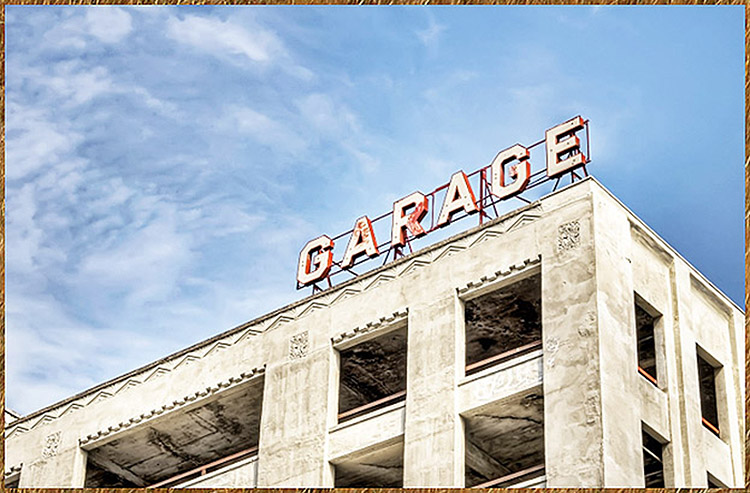
Professional engineers across the U.S. say safety oversight of parking structures is a rare occurrence nationwide. Yet parking garages are significant and costly pieces of civil infrastructure. They endure intense stresses that other structures do not, such as corrosion from salts, automobile exhaust, weather, and the constant weight of parked cars. In California, seismic inspections only occur when major earthquakes happen, but every shake can cause damage.
When Parking Structures Fail
When they fail, the results can be devastating. A parking deck collapse in Atlanta in 2009 damaged hundreds of vehicles. It led to hundreds of thousands of dollars in insurance claims. In Milwaukee in 2010, a concrete slab fell from a garage, killing a 15-year-old boy. The incident led to a $39 million judgment against a contractor. Even small pieces of spalling concrete that fall from a ceiling can cost thousands in damage claims.
Days before the Atlanta collapse, another east coast city closed the top two floors of their parking ramp. A structural assessment had identified the need for more than $700,000 in repairs – just to extend its life to 2018. The incoming Mayor advocated for demolition since taking office, saying “years of neglect and inaction” had left it in dangerous shape.
Across California and the U.S., parking garages everywhere are in bad shape. In 2006, a 3.5-ton concrete panel fell from a public parking garage onto a truck. No one was hurt in that incident. Incidents like this are happening everywhere as our infrastructure ages.
The Wake-Up Call from Florida
The recent collapse of a condo with underground parking in Florida should have opened everybody’s eyes. Over 100 people died, despite multiple inspections that never led to a single repair. The disaster has sent shudders into every building and safety department across the U.S. No building department wants to be the next city on the list of neglected inspections.
A Gap in Regulatory Oversight
Despite these cases of collapse, no state or national agency except New York currently tracks parking structure inspections or maintenance. The California Department of Transportation inspects bridges on a two-year cycle, but parking structures are not in its portfolio. The federal Occupational Safety and Health Administration covers 7 million workplaces. However, it inspects only those where someone registers a priority complaint. A review of its online inspection database going back to 1990 found no parking structure inspections.
The city of Santa Monica recently began inspecting all its parking structures. The findings were astonishing. Over 80% of city-owned and private parking structures require repairs. But engineering professionals agree that regulatory agencies largely ignore parking ramps and their operators.
Owner Responsibility and Industry Guidance
The property owner bears the responsibility to determine how often to conduct a structural assessment. Some national property management companies have set repair programs, but this isn’t common.
The Miami collapse taught us that the potential for loss is frightening. The lack of regulatory oversight makes it worse. But the absence of regulation does not mean owners operate in the dark. Industry groups such as the American Concrete Institute and ASCE have identified best practices for inspecting parking ramps. The National Parking Association recommends a two-or-three-year inspection cycle. Operators have no mandatory code to follow, but they have plenty of guidance available. Owners bear the responsibility to care for their assets, and ample information exists to help them do so.
With proper maintenance and timely service, a concrete parking structure can last 40 years or more. Engineers and maintenance guides from the National Parking Association confirm this. Sound policy calls for owners to perform maintenance whenever they spot a problem.
The Why’s and What to Look For
Corrosion and Environmental Factors
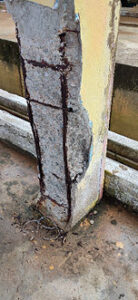
In areas of freezing weather, de-icing agents often contain chlorides. These chlorides can cause deterioration of the structural steel beneath the concrete. Along the coast, salt moisture in the air makes corrosion effects even more prevalent. When steel expands from stress, it often causes portions of the concrete to pop off or “spall.” Spalling is a sign of corrosion beneath the concrete. Automobile exhaust has a major detrimental effect on both concrete and the embedded steel. Delamination often occurs where engineers find no other cause. This has led them to study the effects of corrosive gases on parking structures.
The Cost of Delayed Repairs
Owners and property managers must ensure no corrosion will compromise a parking structure’s ability to operate. The longer someone ignores a problem, the more expensive it becomes to repair.
Recognizing Signs of Structural Distress
The structural engineering community well knows that parking structures face an aggressive corrosive environment. Corrosion of the embedded steel reinforcing bars is a major issue. Owners should inspect for it on a regular basis.
Builders design structures, including parking ramps, to give signs of distress. If steel corrodes enough to threaten failure, it will give signs to those who know how to read them. When you see beams deflect or crack, that is a clear indication of trouble. The structure will show signs of distress before actual failure. Maintenance is generally good for any house, building, tower, or bridge. All structures deteriorate to some extent. Owners must manage that deterioration before it affects operational condition.
Important Facts
- Statewide codes do not mandate inspections for public or private parking structures. No state agency monitors their condition.
- Unlike other buildings, parking garages face the corrosive effects of salt and the constant pounding of vehicles.
- No agency ensures that owners comply with structural engineers’ recommendations for maintaining parking structures.
- When someone inspects a private parking structure, the public cannot access the report.
- Regular inspection schedules ensure maintenance and repairs that keep your parking structure open and healthy.
Foundation Tech, Inc.
About Us
Foundation Tech, Inc. is a specialty contractor located in northern Los Angeles. Our trained repair technicians self-perform all services, including ACI certifications for specific repair procedures.
Our Services
- Structural Condition Assessment Reports
- Non-Destructive Corrosion Potential Mapping
- Cathodic Corrosion Protection
- Carbon Fiber Structural Bracing - CFRP
- Penetrating Waterproofing Products
- Positive-Negative Below Grade Waterproofing
- Crack Injection
- Post Tension Repairs/Upgrades
- Concrete Spall Repair
- Micro-piles/Piers/Helical Piles for Load Support
- Seismic Bracing
Condition Evaluation Process
Our advanced condition evaluation techniques and expert knowledge allow us to provide clients with a preliminary understanding of structural conditions at a reasonable cost. A condition evaluation begins with a visual walk-through. This is followed by either a preliminary or detailed survey to identify the extent of distress, potential causes, and deterioration mechanisms. The condition survey is generally a precursor to extensive investigation, testing, and repair recommendations. In every case, Foundation Tech, Inc. draws on vast experience from prior projects. We perform the best possible condition assessment within the client’s budget.
Clients usually ask to:
- Obtain a general assessment report about distress and/or damage
- Get a routine inspection to maintain a structure
- Provide detailed cost estimates for a full-scale investigation and repair recommendation
- Provide specific repairs based on repair recommendations by others
Contact Us
We can be reached at www.foundationtechinc.com or for immediate assistance with your parking structure or building, contact: jbronstrup@foundationtechnology.com
For industry standards and best practices, visit the Better Business Bureau.
